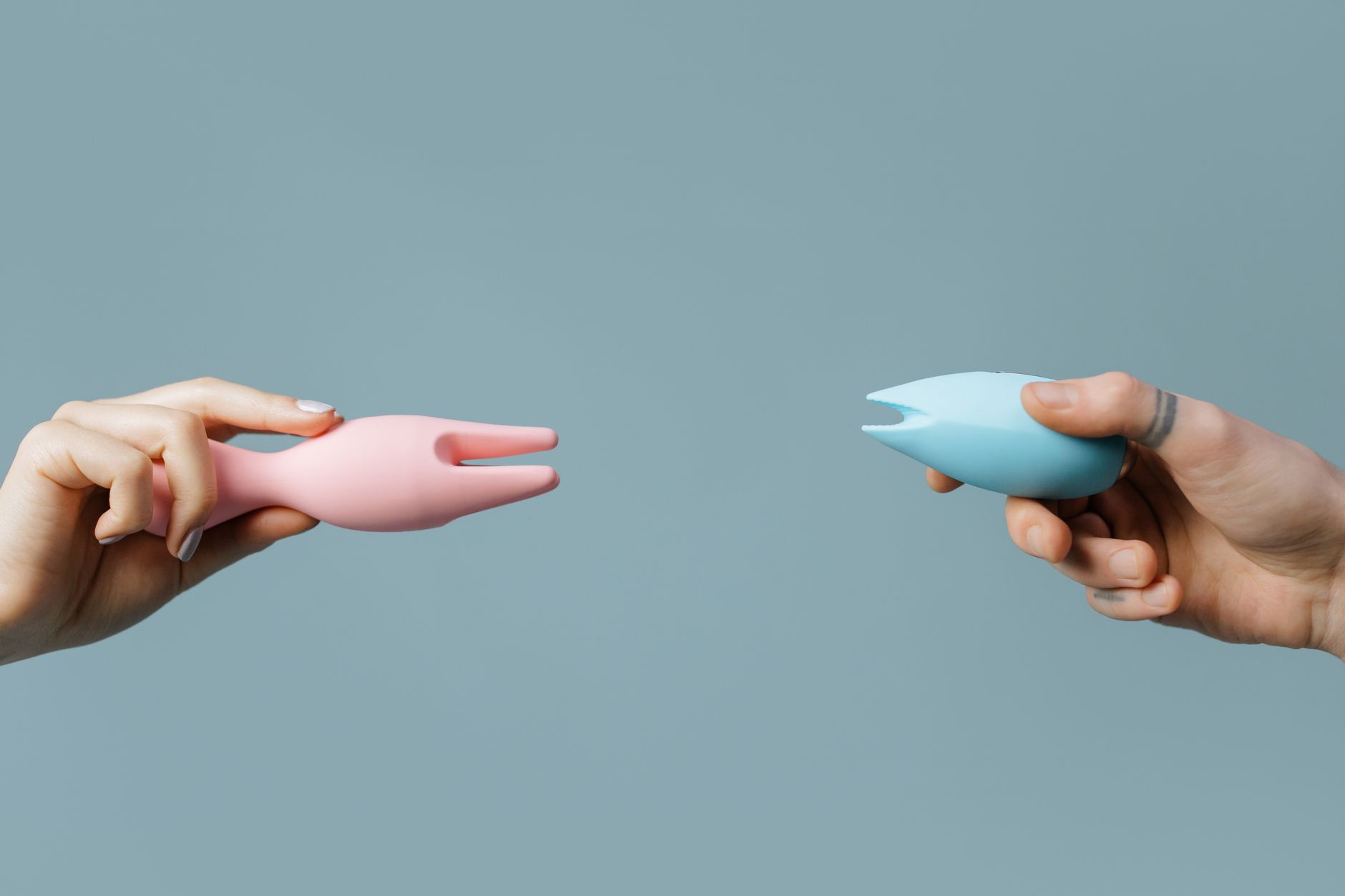
Here's what nobody tells you about penetration pain
Pain during or after penetration shows up for wildly different reasons. Endometriosis, vaginismus, pelvic floor tension, post-surgical scar tissue, hormonal shifts, or sometimes just psychological resistance. The reason matters for treatment. But what matters more right now is this: pain is not a character flaw, and it's not a permanent sentence.
What also matters is that pleasure doesn't require penetration. This isn't a consolation prize. This is actually where a lot of people discover their best orgasms.
If you've been cycling through the same attempted solutions, here's the reframe. Instead of trying to fix penetration, what if you stopped trying to make that work and started exploring what does? A lemon clitoral vibrator becomes less of a workaround and more of a direct route to satisfaction.
Why penetration pain happens (and what your body is actually telling you)
The pelvic floor is a web of muscles that lives underneath everything. When there's pain during penetration, one of three things is usually happening.
First, those muscles tighten involuntarily. Vaginismus is real. Your body clenches to protect itself, often before you even consciously know it's happening. Second, tissue inflammation or scar tissue from surgery, childbirth, or certain health conditions makes the area tender. Third, psychological tension gets stored in the pelvis. Anxiety, past trauma, or relationship stress can literally lock up your pelvic floor.
The good news? None of these mean clitoral stimulation won't work. The clitoris has its own nerve pathway. It's separate. When penetration is off the table, the clitoris is still very much on it.
What makes lemon vibrators different for pain-free pleasure
Let's talk about why lemon sexual toys, specifically their suction design, matter here. Most traditional vibrators rely on direct friction or buzzing sensation. If you're dealing with sensitivity, inflammation, or pelvic floor tension, that intensity can feel wrong.
Lemon clitoral vibrators work differently. The suction creates a gentle seal and rhythmic pulse that stimulates without aggressive contact. You're not grinding against anything. You're not creating friction. You're receiving waves of stimulation that the tissue finds easier to accept.
The other benefit is control. With a lemon vibrator, you set the pattern and intensity. If pattern 2 feels like too much, you drop to pattern 1. If suction is uncomfortable, you switch to pulse mode. This level of autonomy is psychologically grounding when your body's been sending mixed signals.
The setup that actually prevents pain flare-ups
Before you even turn on your lemon adult toy, two things matter: positioning and pacing.
Positioning first. Lying on your back with a pillow under your hips creates the most open angle and reduces tension. If you prefer being upright, sitting back against pillows gives you control and visibility. What you're avoiding is anything that compresses the pelvic floor or creates internal pressure. Forward-leaning positions usually feel harder. Reclined is gentler.
Pacing second. Budget 20 to 30 minutes for your session. Not because it takes that long to orgasm, but because slow warm-up decreases the chance of pain or cramping afterward. Start with just holding the lemon vibrator against your vulva without turning it on. Let your body get used to the presence and weight of it. That nervous system settling is not wasted time. It's foundational.
Then turn it on at pattern 1 or 2. Stay there for 10 minutes before moving up. This isn't slow for slow's sake. It's slow because your pelvic floor has learned to brace. Gradual input teaches it there's no threat.
When pain is about more than just physical sensation
Here's where it gets complicated. Sometimes the pain is real and physical. Sometimes the pain is real and emotional. Sometimes it's both at once, and you can't separate them.
If penetration has hurt for months or years, your nervous system has learned a story: penetration is dangerous. That story doesn't turn off just because the physical problem got addressed. You can treat endometriosis, heal from surgery, or reduce pelvic floor tension, and still flinch at the idea of penetration because your body remembers the pattern.
A lemon clitoral vibrator can actually help rewrite that story. Because it offers pure pleasure with zero penetration requirement, you can have orgasms without the threat. You can experience satisfaction without triggering the old pain narrative. Over time, your nervous system learns a new rule: sexuality is safe. It doesn't make you want penetration immediately. But it does restore your sense of sexual agency, which is often the first thing pain takes away.
Using lemon vibrators with a partner when they don't understand
If you have a partner, they might feel rejected or confused if penetration is off the menu. That's human. It's also a conversation worth having before you're in the moment.
Here's what helps: separate pleasure from penetration in the conversation itself. "I want to explore what feels good right now, and it's not penetration" is different than "Penetration doesn't work." The first is about discovery. The second sounds like diagnosis.
Show them the lemon clitoral vibrator. Not as a consolation. As an invitation. Many partners actually find it hot to watch, or to participate in deciding patterns and pacing. You're not excluding them from pleasure. You're changing the shape of it.
And honestly? A lot of couples find that when one partner uses a lemon vibrator, the other gets to relax and be present without performance pressure. That's a gift, even if it doesn't look like traditional sex.
The post-orgasm piece people skip
After you orgasm using a lemon vibrator, you might feel cramping, soreness, or heaviness. That's not a sign you did something wrong. That's your pelvic floor releasing tension it's been holding. Expect it. Plan for it.
What helps: stay lying down for 10 to 15 minutes after. Drink water. Avoid going straight back to activity or getting up too quickly. Your pelvic floor needs recovery time just like any muscle group does. If cramping is severe, a heating pad on your lower belly can ease it.
If you're having pain that lasts hours after, or if orgasm consistently triggers cramping, it's worth mentioning to a pelvic floor physical therapist. They're trained to retrain those muscles. They're also the most judgment-free clinicians you'll meet. They've helped thousands of people rebuild comfortable sensation.
FAQ: Penetration Pain and Lemon Vibrators
Can I use a lemon vibrator if I have endometriosis?
Yes, with planning. Endometriosis pain flares with certain activities and times of your cycle. During flares, gentler stimulation like pattern 1 on a lemon clitoral vibrator often feels better than anything penetrative. Some people find that gentle orgasms actually ease cramping afterward. Others find orgasm intensifies it. You're the expert on your body. Start low-intensity and watch how you feel in the hours after. If it helps, that's your answer.
What if penetration pain is psychological, not physical?
Then lemon vibrators matter even more. If your pain comes from anxiety, past experience, or relationship dynamics, you need to experience pleasure without the threat attached. Using a lemon sexual toy solo lets you prove to your nervous system that sex doesn't have to hurt. That evidence builds trust in your own body. Over time, that trust can transform how you respond to intimacy, even with a partner.
Will using a lemon vibrator instead of penetration affect my relationship?
Not if you frame it right. Partners often worry that not having penetrative sex means the relationship is broken. You have to be clear: this is about what your body needs right now. It's not rejection. It's self-care. A partner who understands that and adjusts with you actually deepens the relationship. A partner who resists might benefit from conversation about what penetration means to them, and why clitoral pleasure matters too.
How often is it safe to use a lemon vibrator when I have pain issues?
Daily is safe if you want it. Some people use a lemon clitoral vibrator every night. Others use it a few times a week. What's unsafe is overuse in a way that creates new pain, like harsh contact or sessions that leave you sore. If a lemon vibrator leaves you uncomfortable, dial back intensity or duration. If it feels restorative, use it as much as you want.
Can penetration pain improve if I keep using lemon vibrators?
Sometimes. If your pain is pure pelvic floor tension, regular gentle stimulation and orgasm can help retrain those muscles. If your pain is structural (scar tissue, endometriosis), lemon vibrators won't fix the structure, but they give you pleasure while you address the root cause with medical care. What almost always improves is your emotional relationship with sex, which improves everything.
Should I see a doctor before using a lemon vibrator?
If you haven't talked to anyone about the pain yet, yes. Rule out infections, structural issues, and hormone imbalances first. Then once you know what you're working with, a lemon vibrator becomes part of your solution set. You're not choosing between a vibrator and medical care. You're using both.
The pleasure that lives on the other side of pain
I've worked with people in long-term relationships where penetration stopped being possible, and they grieved it. That grief is real. But on the other side of that grief, they often discover something they didn't expect: sex that was actually more satisfying. Lemon clitoral vibrators become the vehicle for that discovery.
Your pleasure doesn't live in one specific type of touch. It lives in sensation, attention, and permission. When you use a lemon vibrator, you're not settling. You're redirecting toward what actually works. That distinction changes everything.
If you're stuck in the cycle of painful penetration and no alternatives, reach out. We're here to help you find what works. Visit /contact to talk through options tailored to your body and your relationship.